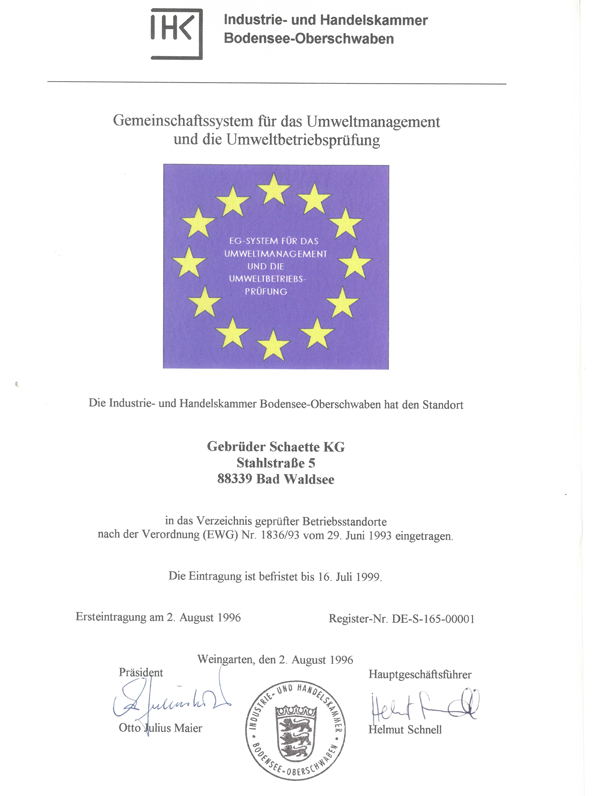
1996: Dr. Roland Schaette KG became the first company within the jurisdiction of the Lake Constance-Upper Swabia Chamber of Industry and Commerce (IHK) to be awarded EMAS certification and was registered under the registration number DE-165-00001. The certification was based on voluntary commitment and the company’s philosophy of ensuring environmentally sound production in harmony with nature.
Environmental management with EMAS
Since 2 August 1996, SaluVet GmbH has been certified under the European environmental management system EMAS (Eco-Management and Audit Scheme) – the first company in Upper Swabia to do so. By introducing this demanding environmental management system at such an early stage, we were already sending a clear signal back then in favour of sustainable and responsible business practices.
EMAS is regarded throughout Europe as one of the most demanding systems for corporate environmental management. It helps companies to systematically monitor their environmental performance, use resources efficiently and continuously reduce their environmental impact. This is based on clear environmental objectives, regular internal and external audits, and transparent reporting in the form of the annual environmental statement.
Unlike traditional environmental labels, EMAS does not relate to individual products, but to all areas of the business and all processes. Compliance with the requirements is regularly verified by independent environmental verifiers.
Much has changed at SaluVet since the launch of our EMAS environmental management system. The following timeline highlights key steps and measures from over 30 years of continuous improvement in our environmental performance.
The history of EMAS at SaluVet
Since 1996
1996
2000
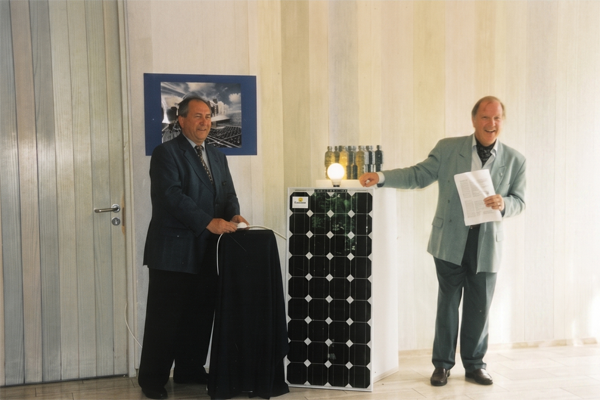
2000: Im Juli 2000 wurde eine 50 kW Photovoltaikanlage bei der Gebrüder Schaette KG in Betrieb genommen. Sie galt mit einer Fläche von 320 m², damals als die größte in Oberschwaben. Schon damals verfolgte Roland Schaette die Vision, den Betrieb vollständig aus erneuerbaren Quellen zu versorgen.
2001/2002
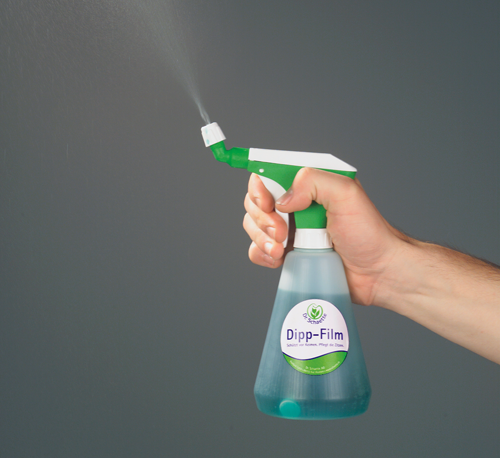
2001/2002: Dr. Schaette KG further developed its teat dip, making it iodine-free, gentle on the skin and consistently geared towards long-term udder health. In 2002, Dr. Schaette KG was awarded the Ravensburg District Innovation Prize for this achievement.
2003-2007
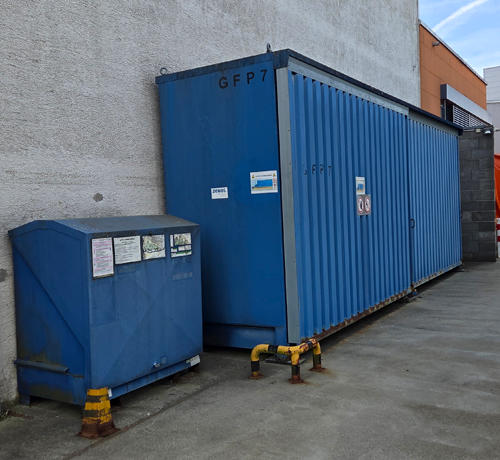
2003–2007: Purchase of a hazardous substances container to ensure the safe storage of hazardous substances; sealing of unloading points and installation of drainage channels to protect the ground from contamination; regular training for staff on hazardous substances, hygiene and health and safety; ECO driving training to promote more environmentally conscious behaviour amongst field staff.
2012
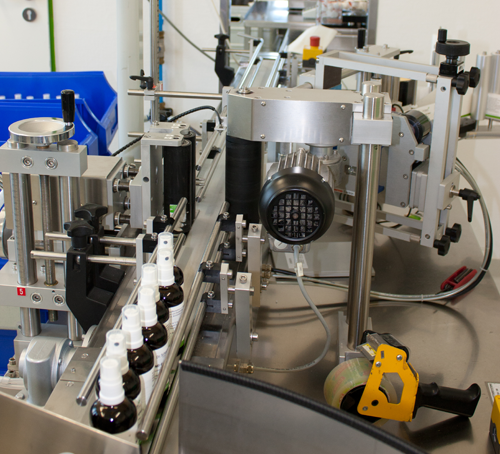
2012: During the refurbishment of the pharmaceutical production’s packaging area, particular attention was paid to ensuring efficient and energy-saving lighting.
2013
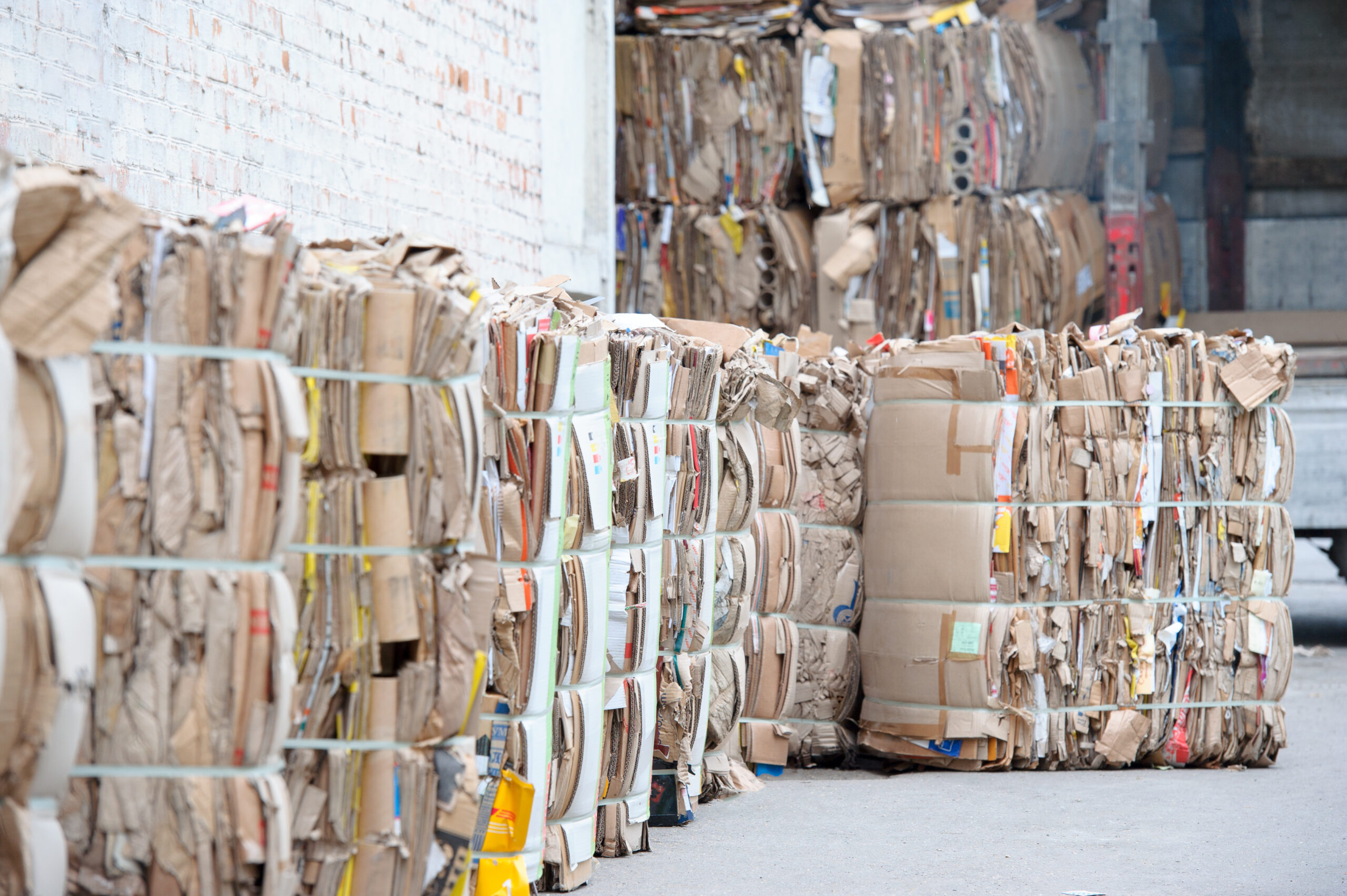
2013: Our standard, conventional printing paper was replaced by recycled paper. This is made from 100 per cent waste paper, which significantly reduces energy and water consumption during the paper-making process.
2015/2016
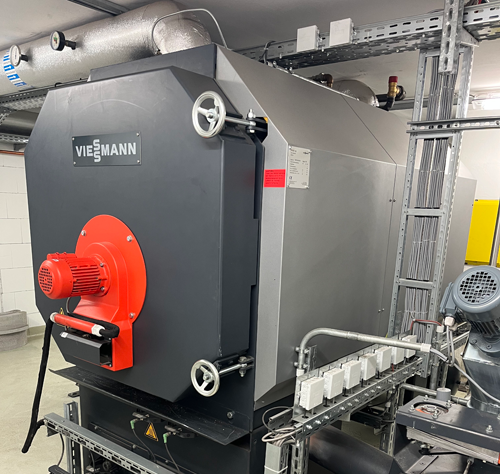
2015: With the construction of the new warehouse and dispatch centre, a wood pellet heating system was installed, which is fuelled by wood pellets sourced from sustainably managed forests. Furthermore, the pellets are sourced locally from Weingarten by the company Schellinger.
2015
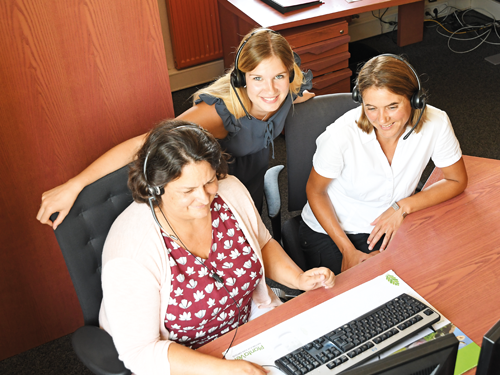
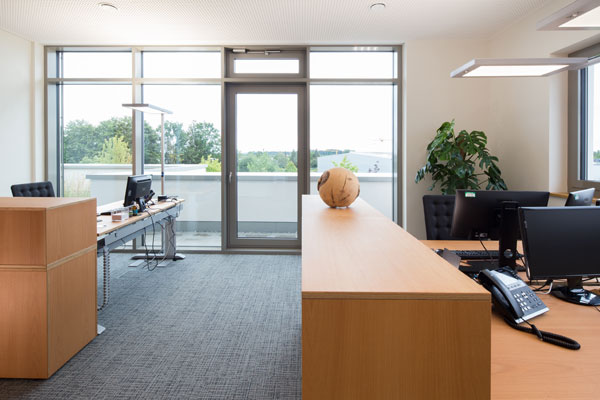
2015: Following the merger, the offices were refitted using a sustainable fit-out concept. Particular care was taken to ensure that all materials were environmentally friendly, sourced locally and easy to dispose of.
2015
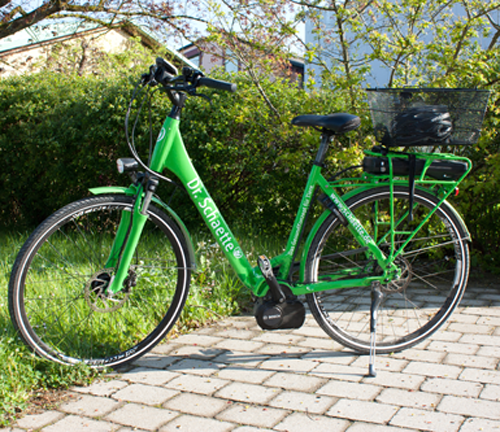
2015/2016: In the spring, the company purchased three e-bikes to make available to staff. In addition, a ‘JobRad’ scheme was introduced in 2016, under which staff can lease an e-bike for 36 months, with SaluVet GmbH covering the insurance costs.
2018
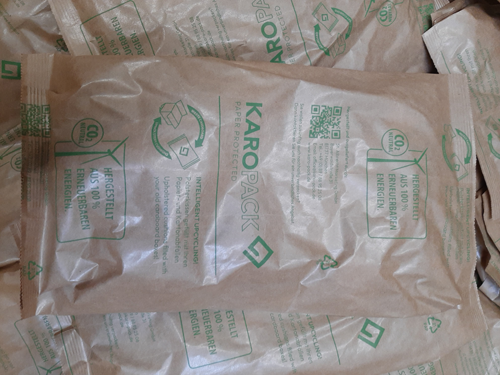
2018: Karopack is a sustainable and environmentally friendly reusable product made from recycled cardboard and waste paper, which we use in our logistics operations as packing material for parcels. This establishes an environmentally friendly material cycle, avoids disposal costs and, at the same time, provides a secure, fully recyclable packaging solution for fragile products such as glass bottles and ampoules.
2020
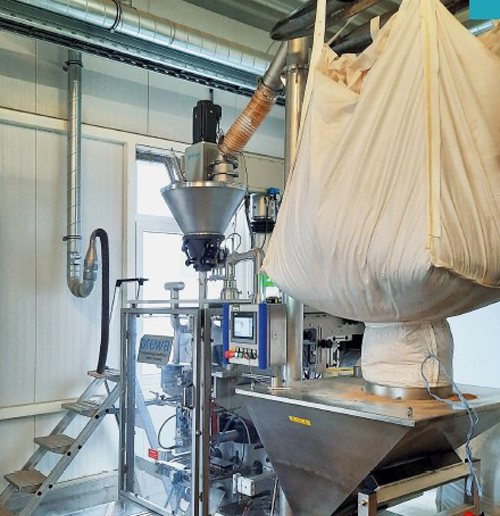
2020: Introduction of a pouch filling line, resulting in a switch from composite cans to plastic pouches. This brought many benefits, such as material savings, waste reduction and efficiency gains.
2019/2020
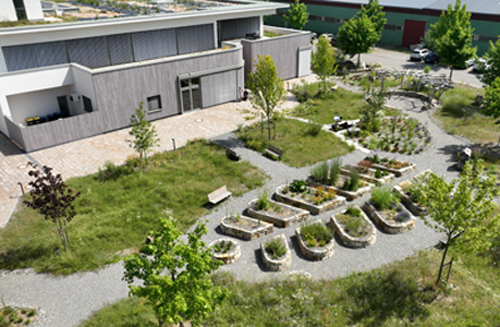
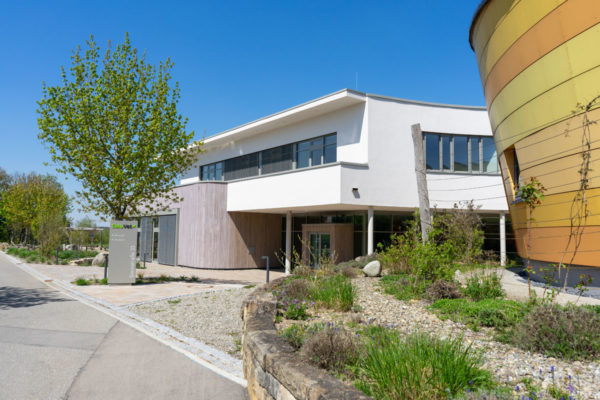
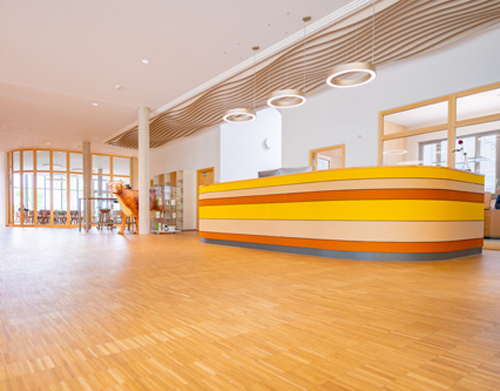
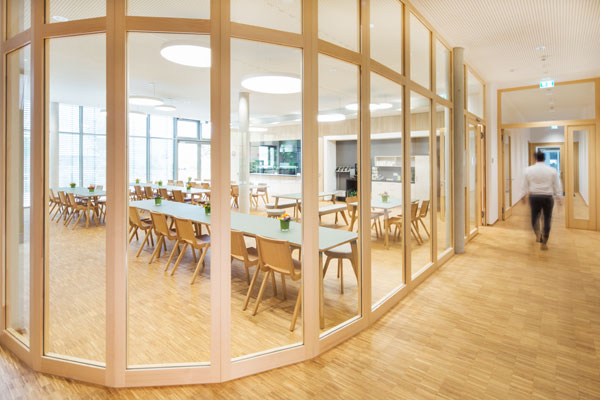
2019/2020: A new administration and seminar building was constructed. In addition, a medicinal herb garden was laid out in the grounds. The new building was deliberately designed to be environmentally friendly and sustainable. Furthermore, regional and natural materials were used in its construction, and charging points for electric cars and e-bikes are available in the car park.